
 Pigmentation Treatments
Pigmentation treatments: Pigmentation often appears as adults get older, with 1 in 3 women over 40 finding they’re affected, which extends to 90% of women over 50. Pigmentation, or more specifically, hyperpigmentation, occurs when melanin is overproduced in certain spots on the skin. This can result in flat, darkened patches of skin that are light brown to black in colour and can vary in size and shape.
What is Melanin?
- Provide the natural colour of the skin
- Protect against solar radiation
- Thermoregulation
- Contribute to the regulation of vitamin D
Types of Pigmentation
- Age spots – caused by sun exposure appear mainly on body parts that are frequently exposed, such as the face, hands and arms. They tend to be small, darkened patches of skin.
- Melasma or Chloasma – often referred to as “the mask of pregnancy”, occurs as a result of hormonal influences such as pregnancy and birth control pills and causes dark and irregularly shaped areas on the face or arms that can be quite large.
- Freckles are caused by sun exposure and commonly appear on the face.
- Post-inflammatory hyperpigmentation – occurs when a skin injury or trauma heals and leaves a flat area of discolouration behind.
Treatments for Pigmentation
- IPL Skin Rejuvenation – treat full face pigmentation
- Chemical Peel – various chemical peels can resurface the skin to remove old and damaged skin cells
- pH Formula Specialist Resurfacing – Mela Treatment
- Microneedling – controlled trauma to the skin encourages blood, oxygen, nutrients, and collagen to be sent to the affected site, which replenishes damaged cells
- Cryotherapy – extremely cold temperatures are delivered to the pigmented cells, which are then destroyed and naturally expelled
- MELINE – targeted pigmentation through ‘controlled chemical dermabrasion’, specifically treatment for ethnic skins and caucasian skin, can treat various areas of the body
- MELINE ID Depigment Microneedling – can treat melasma, good maintenance treatment to prevent further pigment forming
Pigmentation treatments can produce amazing results, for best results these treatments work well alongside a good at-home skincare routine with products specifically targeted to address pigmentation, this can include a serum that helps to reduce/inhibit tyrosinase activity and prevent the development of pigmentation.
Skincare/Homecare
It is essential to support any in-clinic treatments for Pigmentation, Hyperpigmentation and Post-Inflammatory Pigmentation with recommended specific daily skincare that targets reducing the melanocyte activity in the skin. The use of daily SPF 30+ is essential to protect the skin from UV radiation. Please note that it is recommended that extended sun exposure must be avoided, especially in the 10 days prior to the treatment.
pH Formula Specialist Resurfacing Treatment 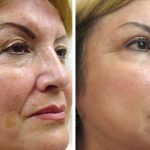
pH Formula Pigmentation Treatment involves a course of 6 treatments at 2-3 week intervals. For best results and to reduce the risk of any skin reactions as using powerful combinations of acids, it is recommended to use the prescribed pH formula skincare products 2–3 weeks prior to the treatment, during and after the course of treatment has finished. The prescribed products are incorporated into the treatment package.
How pH formula can help pigmentation
- Inhibit the production of tyrosinase
- Lighten and reduce pigmentation
- Anti-oxidant to help protect against UV
- Regulate and improve the function of melanocytes
For more information on pH Formula Pigmentation Treatments
MELINE Pigmentation Treatment
MELINE specialises in treatments for pigmentation, they are the first and only range of specialised treatments for every different skin of skin pigmentation, skin type and part of the body affected. MELINE treatments are easy to apply, providing fast and effective results, proven through clinical trials. MELINE skin peels and homecare products offer treatments according to; the type of pigmentation being treated, the skin phototype and the area of the body affected.

MELINE Caucasian Skin (Skin Type 1-3) Fair Skin
This two-step treatment can treat the removal of pigmentation including sun damage, melasma, lentigos, post-inflammatory, hormonal and stress. The skin is prepped then the professional MELINE® 02 CAUCASIAN SKIN peel is applied to the skin and left for 45 minutes. This is then removed moisturise is applied and SPF is, this is a very simple procedure. The second step of treatment is repeated 30 days after the first application, and a third application (only if required is 6 to 8 months after the second treatment).
Post treatment you will follow the aftercare given and only use the homecare products that have been recommended throughout the next 6 months or so. Regular reviews and touch-base sessions with your skin therapist to check skin progress.
MELINE Ethnic Skin (Skin Type 4-6) Darker Skin

This two-step treatment can treat the removal of pigmentation including sun damage, melasma, lentigos, post-inflammatory, hormonal and stress. The skin is prepped then the professional MELINE® 02 ETHNIC SKIN peel is applied to the skin and left for 45 minutes. This is then removed moisturiser is applied and SPF, this is a very simple procedure. The second step of treatment is repeated 30 days after the first application, and a third application (only if required is 6 to 8 months after the second treatment).
Post treatment you will follow the aftercare given and only use the homecare products that have been recommended throughout the next 6 months or so. Regular reviews and touch-base sessions with your skin therapist to skin-check progress.
For more information about all the MELINE Pigmentation Treatments
MELINE ID with Dermapen Micro-needling
The combination of active ingredients has a potent antioxidant and anti-inflammatory effect, calming down the melanocyte synthesis action and tyrosinase inhibition i.e. reducing pigmentation activity within the skin. It also helps to depigment the skin through pheomelanin pathway acceleration and the biochemical reduction of the deposited pigment.

