Understanding Acne Part 2 – What are the Different Types of Acne? How do you treat Acne?
Welcome back to our in-depth series on understanding acne. In part one, we covered the basics of acne – useful facts, common questions, and some of the most frequent mistakes people make. In this follow-up, we’ll dive deeper into the different types of acne, which can vary significantly depending on the root cause. At RR Skin, Body & Laser Clinic, we believe that understanding the specific type of acne you’re dealing with is essential for finding the most effective treatment for acne. Let’s explore the key types of acne and how they differ, both in appearance and the various options for acne treatments.
What is Hormonal Acne?
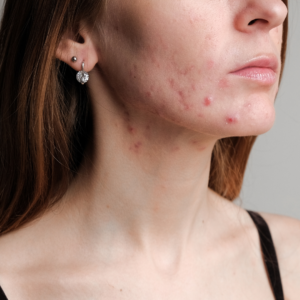
Hormonal acne is one of the most common types, especially in adult women. It is caused by fluctuations in hormone levels, particularly around the menstrual cycle, during pregnancy, or during menopause. Increased androgen production triggers the sebaceous glands to produce more oil, leading to clogged pores, inflammation, and breakouts. Hormonal acne typically appears on the lower face, such as the jawline, chin, and neck.
How can you treat Hormonal Acne..?
Since hormonal acne is tied to internal changes, treatment often involves balancing hormone levels. Prescription medications like oral contraceptives or spironolactone may help regulate hormone production. For those who prefer a more natural approach, skin-targeted supplements like Advanced Nutrition Programme Accumax can help balance hormones using patented technology that synergises vitamins A, C, and E with phytonutrients. Topical acne creams containing benzoyl peroxide, salicylic acid, or retinoids are often prescribed by a GP or dermatologist to reduce inflammation and further breakouts. However, these can sometimes be quite irritating and dry on the skin, so they are not a long-term solution.
For anyone suffering from any type of acne, it is advised to get professional skin care advice as there are different degrees of acne, and it can vary on what products are best based on the skin type and skin condition. A one-to-one consultation with a qualified skin specialist or dermatologist can help recommend a suitable acne skincare routine for you. At RR Skin, Body & Laser Clinic, we offer thorough skin consultations that are followed by a detailed personalised skincare and treatment plan.
What is Fungal Acne? (Malassezia Folliculitis)
Fungal acne, though less common, can be easily mistaken for traditional acne due to its appearance. However, it’s caused by an overgrowth of yeast in hair follicles, not bacteria. It often presents as small, uniform pimples and can be itchy or irritating. Fungal acne is most commonly found on the chest, back, and shoulders, as well as on the forehead, more so than all over the face.
How can you treat Fungal Acne..?
Treating fungal acne requires a different approach than typical acne. Antifungal treatments such as oral or topical antifungal medications are most effective. At RR Skin, Body & Laser Clinic, we recommend avoiding heavy, oily skincare products, which can contribute to yeast overgrowth. Skincare recommendations for fungal acne include using products with salicylic acid that can help treat fungal acne by targeting yeast overgrowth. The skin’s microbiome plays an essential role in maintaining a balance of bacteria, yeasts, and fungi, including Malassezia, that live on the skin’s surface. It’s crucial to balance the microbiome for long-term skin health, one product we love to help with this, is the HYPO21 purifying spray it is based on the science of Hypochlorous Technology (HOCl), this highly-effective, electrically-charged signaling solution mimics the essence of your body’s natural defense system. HYPO21 Skin Purifying Spray is made of PURE HOCl, which is a natural part of our internal defence system and is produced by white blood cells. HYP021 purifying skin spray is suitable for people who may be prone to various types of acne and fungal acne, as well as helping rosacea, eczema, psoriasis, dermatitis and many other skin conditions.
Carefully consideration should be applied when selecting your hair care products, it is suggested that using shampoo and conditioner containing Ketoconazole can help fungal acne as it primarily targets the growth of fungal infections.
Another key consideration is make-up that you apply to the face, its key to use more gentle, non-comedogenic make-up products that won’t exacerbate fungal acne such as Jane Iredale mineral make-up – clean, 100% mineral based no synthetics, no talc’s, no dyes etc and will allow the skin to breathe.
Understanding Acne – What is Genetic Acne?
Genetic factors can play a significant role in determining whether someone is prone to acne. If one or both biological parents struggled with acne, chances are you might too. Genetic acne is usually linked to an overproduction of oil, skin cell turnover issues, or an increased sensitivity to hormones.
How do you treat Genetic Acne..?
Although you can’t change your genetic makeup, there are effective ways to manage genetic acne. Looking at all the internal and external factors that could be affecting the acne flare-up is key, such as diet, stress, medication, illness, smoking, drinking alcohol, etc. Any one of these factors can exacerbate the condition, so it’s important to discuss and review with a professional skin specialist who can provide some advice on the best acne skincare routine for you that’s tailored to your skin’s unique needs. Here at RR Skin, Body & Laser Clinic, an award-winning skin clinic in Dartford, Kent, we create customised treatment plans that combine quality active skincare products, personalised facial treatments and ongoing support and advice with our resident skin specialist. This can help you to feel more supported and that you are not alone in trying to work out what products or treatments you should try. Clear help and advice is given throughout your skin health journey to clearer skin.
Understanding Acne – What is Cystic Acne?
Cystic acne is a severe form of acne characterised by large, painful, pus-filled cysts that form deep within the skin. This type of acne is often hormonal and can lead to scarring if not treated properly. Cystic acne affects both teens and adults and can be emotionally distressing due to its persistence and severity.
How do you treat Cystic Acne..?
Cystic acne requires more intensive treatment, often involving prescription medications like oral antibiotics or isotretinoin (Accutane) to reduce inflammation and prevent scarring. These can be quite harsh medications and need very careful consideration before proceeding, as they come with some serious side effects. Having said that, some people use Roaccutane and see great results with only very mild side effects. It’s important to be careful when taking this medication about what treatments you have as the skin becomes much more sensitive during the time taking Roaccutant. We recommend milder treatments you can incorporate, like LED light therapy using blue LED light energy specifically to reduce inflammation and promote healing. Cystic acne is more likely to cause future scarring, which can be very upsetting. There are solutions for acne scarring in the clinic, such as microneedling, that can help rebuild the skin’s structure by stimulating the production of new collagen, resulting in a smoother skin texture.
Understanding Acne – What treatments can treat acne..?
When it comes to understanding acne, no two acne cases are the same; that’s why we take a personalised approach to an acne skincare routine and acne treatments. This is done by carefully assessing your skin type, acne type, and lifestyle factors to create an individual personalised skincare plan. Whether you’re dealing with hormonal fluctuations, genetic factors, or stubborn cystic acne, an experienced skin specialist can help guide you towards clearer, brighter and healthier skin.
We work with a number of well-known and reputable skincare brands for acne skin care, such as pH Formula, Juliette Armand, iS Clinical, Environ, Innoaesthetics, Clinicare and SVR Laboratoire Dermatologique. Our resident skin specialist can advise you on the best acne skincare products. To view our full range of targeted acne skincare products on our sister website, MYSKIN Shop UK – Acne Prone Skincare
Some of the in-clinic treatments we use to treat hormonal acne, fungal acne, and cystic acne include LED light therapy, Personalised Acne facials, Hydrafacial and more advanced treatments like chemical peels, mesotherapy and microneedling to help target acne breakouts, reduce inflammation, improve skin texture and prevent future breakouts.
A personalised skin plan will be essential for you to understand what combination of acne treatments will be best suited to your skin needs and condition.
Watch out for part three of our Understanding Acne, where we’ll discuss the difference between blackheads and sebaceous filaments, as well as the reasons why acne is often confused with perioral dermatitis.